Gino Has Disappeared
Article
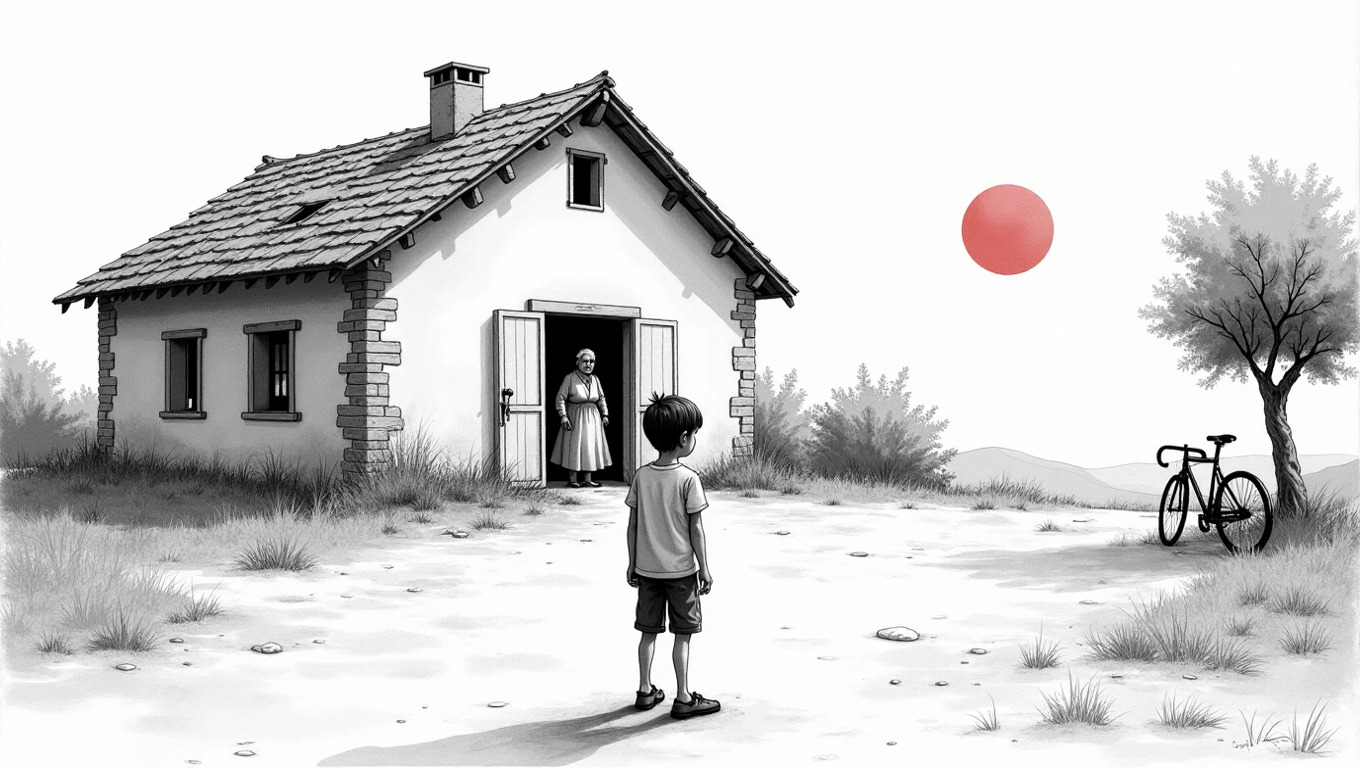
Gino was a very skinny eight-year-old boy. He looked like he had stepped out of a post-war black and white movie. He was a cheerful child with an easy, toothless smile. People in the village knew him well and would stop him on the street to give him sweets, trading cards, or even just a kind word. He would thank them shyly and take off like a rocket toward the adventures that await overly active children.
I remember him playing soccer in the square while we were having our aperitif. “Hi Gino, everything good? Come, have a chip.”
Then, one day, Gino disappeared.
As always happens in such cases, the family was the first suspect. The father was a truck driver; a job always suspicious in the eyes of the people. Then the mother: too beautiful or perhaps too well-groomed for her age. The rich uncle living in Germany. The veteran grandfather, by now half-senile. But all leads proved inconclusive. No one knew where he had ended up.
Once the first few days passed, the theories became bolder. There was surely a pedophile ring in town. Or the Mafia. Even the gym teacher was dragged into it as a possible lover of the mother, or the father, given the well-known homosexuality of both.
I remember the lady who reads tarot cards publicly accusing the greengrocer, a known atheist and perhaps even a communist—anyway, very unpleasant to everyone.
The situation cleared up when Pina showed up at the police station with a determined stride and started screaming: “So, are you going to get him off my back?”
Pina lived in an abandoned farmhouse on the edge of town. One day Gino had shown up with his bicycle and made her a proposal: “Your roof sucks, it’s all broken. I’ll fix it for you if you buy me an ice cream.”
But the work was long and the ice creams were many. In the end, she had gotten tired of that kid who did nothing but mooch food without doing a thing for her roof. So she had gone to town to return him to sender.
The police didn’t really know what to do. It’s not as if Pina had committed a real crime. She didn’t even like that kid all that much. Gino, for his part, said he had been treated very well. Pina, according to him, was an excellent cook and told exceptional war stories.
When he was asked if he hadn’t missed his parents, he answered no. There was that problem with the roof to solve …
The lady who reads cards declared that, deep down, she was right. Pina had been engaged to the greengrocer in her youth, when she was beautiful and he was very ugly, but very rich—and anyway, always unpleasant.
I read in the papers yesterday that Pina died, and so the whole story came back to mind. They had remained friends, those two.
He continued to go visit her all these years, despite her protests, as she didn’t like him very much.
I don’t believe the roof was ever fixed.